
Elimini harnesses BECCS for reliable grid decarbonisation

Ross McKenzie, co-leader and executive vice-president of Elimini, explains how the company is driving innovation in bioenergy carbon capture and storage (BECCS).

This article appeared first in Bioenergy Insight


By Tom Daldry, Editor at Bioenergy Insight


Ross McKenzie, co-leader and executive vice-president of Elimini, explains how the company is driving innovation in bioenergy carbon capture and storage (BECCS)


BECCS is a technology that combines carbon-negative power generation with the potential to deliver consistent, 24/7 electricity. For Elimini, a leading innovator in BECCS development, this dual capability is a practical solution for grid stability and resilience.


“The grid today faces rising energy demand and infrastructure that struggles to keep pace,” said McKenzie. “Biogenic sources like BECCS offer firm power that can stabilise the grid and complement variable sources like wind and solar. They provide grid resilience in the form of frequency response, voltage support and inertia. Every tonne of CO2 credit we sell also helps keep the lights on.”


Unlike wind or solar, which fluctuate depending on weather conditions, BECCS can deliver steady power. 


“The ability of BECCS to fill reliability gaps while decarbonising the energy mix makes it a critical solution for the grid,” added McKenzie. “This dual value proposition is why utilities and policymakers alike are increasingly recognising BECCS as a cornerstone of a sustainable energy future.”


Lessons from Europe


Elimini’s expertise has been honed through years of experience in Europe, particularly Denmark.


“Denmark is one of the most advanced clean energy systems in the world and is investing in BECCS to meet the demands of a changing climate,” he said. “BECCS complements variable power by offering both a carbon-negative footprint and firm, 24/7 power. Lawmakers on both sides of the aisle in the United States are looking to deploy BECCS domestically for clean, baseload power.”


The US energy market is currently at a crossroads, he added. Rising electricity demand, coupled with ageing infrastructure, has left utilities considering a range of options. These include restarting retired fossil fuel plants to investing in nuclear power, which is costly and time-intensive, or relying on natural gas turbines that face supply chain bottlenecks. BECCS offers a pragmatic alternative, providing renewable baseload electricity with assets that can be deployed today.


McKenzie emphasised that policy frameworks will play a crucial role in realising BECCS’ potential in the US. “US policymakers laid a strong foundation by preserving and enhancing long-standing support for carbon capture through the Inflation Reduction Act’s 45Q tax credit.


“The Department of Energy also directed FERC to explore ways to expedite getting data centres connected to the grid and incentivising on-site generation, which we see as a valuable option for BECCS facilities.”


However, further policy innovation will be required. “The next frontier needs to involve permitting reform and transmission investments to allow the new generation to come online fast enough to meet rising demand. This is essential if BECCS is to reach its full potential in providing reliable, decarbonised power.”
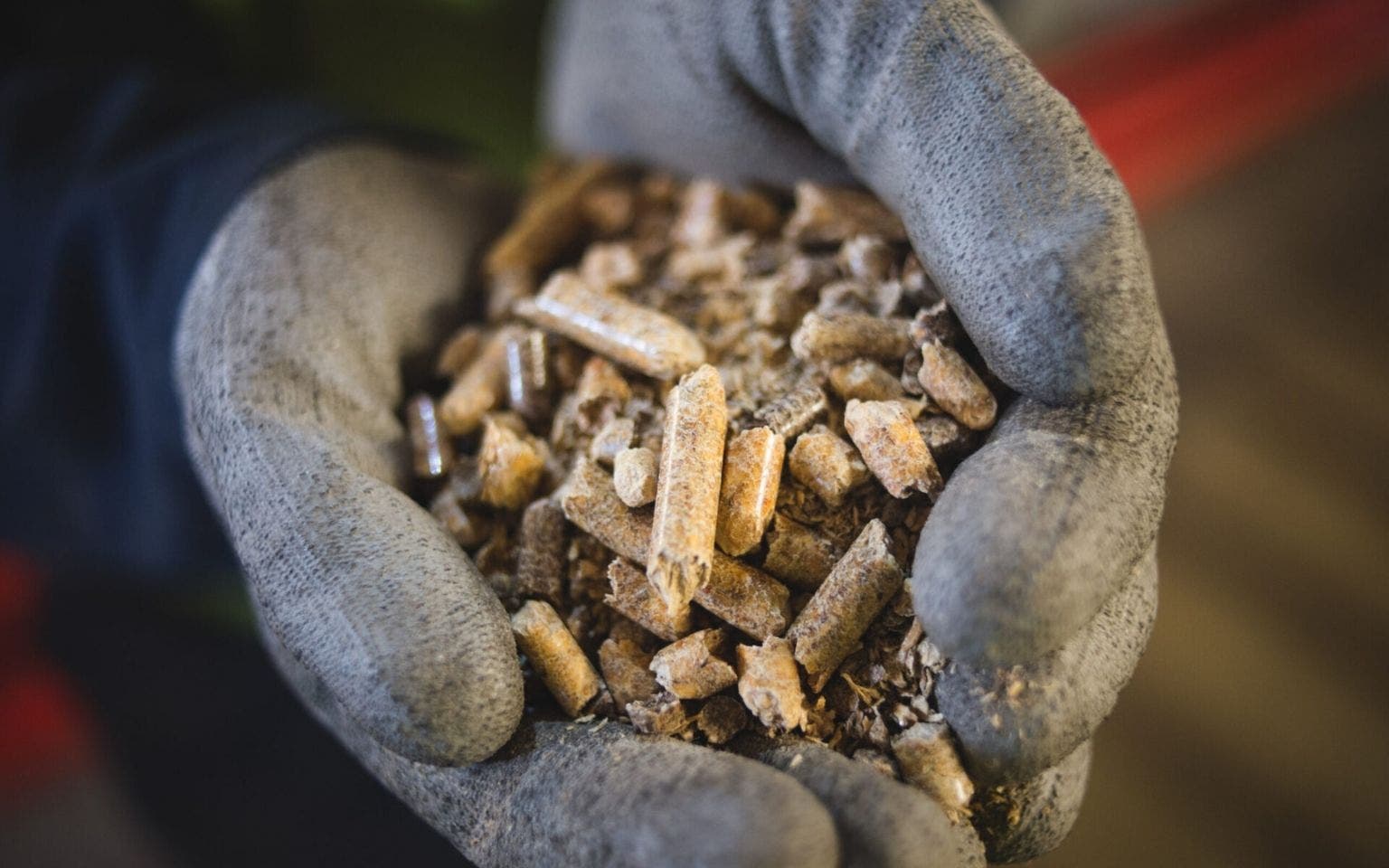
Sustainable biomass sourcing is at the heart of Elimini’s operational philosophy, according to Co-Leader Ross McKenzie.

Commercial viability in the voluntary carbon market


While BECCS provides critical energy services, its economic sustainability is closely linked to the voluntary carbon market (VCM). High-integrity carbon removal credits are increasingly in demand, but supply is limited. McKenzie explained how Elimini navigates this evolving landscape: “BECCS has been the primary driver of the VCM globally in 2025, with several large deals with offtakers like Microsoft. Demand for high-integrity removals is outpacing supply. In fact, recent analysis shows over 90% of 2025 biochar carbon dioxide removal credits are already sold — a clear indicator of how quickly carbon dioxide removals are being snapped up.”


Elimini’s approach is grounded in long-term offtake agreements with trusted partners. “Part of our business model is dependent upon delivering commercially viable carbon dioxide removal credits. The upfront investment helps bring projects online and secure supply for the future. For the buyer, it gives them confidence that what they need is available when they need it. This quarter, we’ve seen the largest growth in new entrants to the market, showing that other companies are following Microsoft’s lead.”


By securing reliable offtake, Elimini is able to attract the necessary investment to bring BECCS facilities online.


Responsible biomass sourcing


Sustainable biomass sourcing is at the heart of Elimini’s operational philosophy, according to McKenzie.


“We have worked on a comprehensive methodology that sets out what good looks like in terms of sourcing, and it is independently verified. Over the past year, we have been engaging with external stakeholders to develop our Sustainability Roadmap, which I’m excited to share more about soon.”


This collaborative effort ensures that Elimini’s BECCS infrastructure delivers tangible benefits across three key areas: climate, nature and people. By adhering to robust environmental and social governance (ESG) standards, the company is able to ensure that biomass feedstocks are sourced responsibly and sustainably, further strengthening the credibility of its carbon removal efforts.


Scaling up: Technical and regulatory challenges


While the technology itself is mature, scaling BECCS projects presents a suite of technical and regulatory challenges.


“BECCS is technologically ready, so the main challenge with scaling is in the right mix of supply chain readiness, regulatory support and expansion of the voluntary carbon market,” said McKenzie. “This is where Elimini has an advantage, with extensive supply chain contacts in a nascent industry, as well as a robust background in government projects and carbon markets.”


He added that Elimini’s work extends beyond BECCS. The company is exploring other biogenic technologies, from sustainable aviation fuel to biochar, positioning itself at the forefront of a broader bio-based energy transition.


“BECCS is an exciting technology that can permanently remove CO2 from the atmosphere while generating renewable power,” said McKenzie. “Our goal is to scale these projects responsibly, deliver high-quality carbon removal credits, and ensure that the benefits of BECCS extend beyond climate mitigation to support energy reliability, nature and communities.”